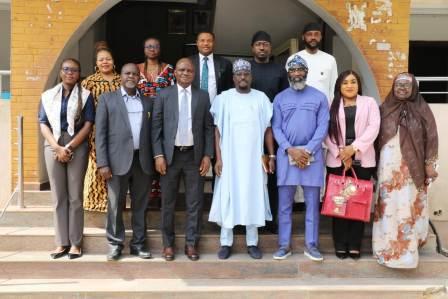
The Rural Electrification Agency (REA) and Lotus Bank have reached a strategic milestone in their collaboration to deepen financing for energy access across Nigeria.
Following a high-level meeting on Wednesday, the two institutions announced plans to transition from project-based support to a large-scale, dedicated financial framework.
The engagement focused on the Distributed Access through Renewable Energy Scale-up (DARES) programme.
While Lotus Bank has already been active in supporting individual projects under this initiative, the new phase of the partnership will see the bank establish its own dedicated DARES financing facility.

During the session, the Managing Director of the REA, Dr Abba Aliyu challenged the bank’s leadership to adopt a bold approach by setting a clear global funding target for the facility.

ALSO READ:
- NDPHC Targets More Businesses with Dedicated Power Supply Initiative
- Renaissance Drives NLNG Performance with 31 cargoes
- Community Leaders, Scholars Applaud Egbin Power’s Scholarship Programme
- Africa’s Energy Wave: From Resource Wealth to Economic Value
- Nigeria’s Energy Story Began Here
The agency emphasized the need for strong internal standards and a design that prioritizes the ability of developers to scale their operations quickly.
“That level of intentionality is exactly what the sector needs if we’re serious about moving from pilots to impact at scale,” the REA Managing Director noted.
The shift reflects a growing trend among forward-thinking Nigerian financial institutions that are increasingly viewing renewable energy as a bankable and commercially viable sector rather than strictly a social good.
Both organizations are now working toward the signing of a formal Memorandum of Understanding (MoU) to institutionalize the partnership. This agreement is expected to provide the structured capital necessary to accelerate the deployment of clean energy solutions to underserved and unserved communities nationwide.
The REA remains optimistic that this collaboration will serve as a model for other commercial banks, building the necessary momentum to bridge Nigeria’s energy deficit through sustainable, private-sector-led investment.