.As Lagos prepares to host Africa’s renewable energy investment forum
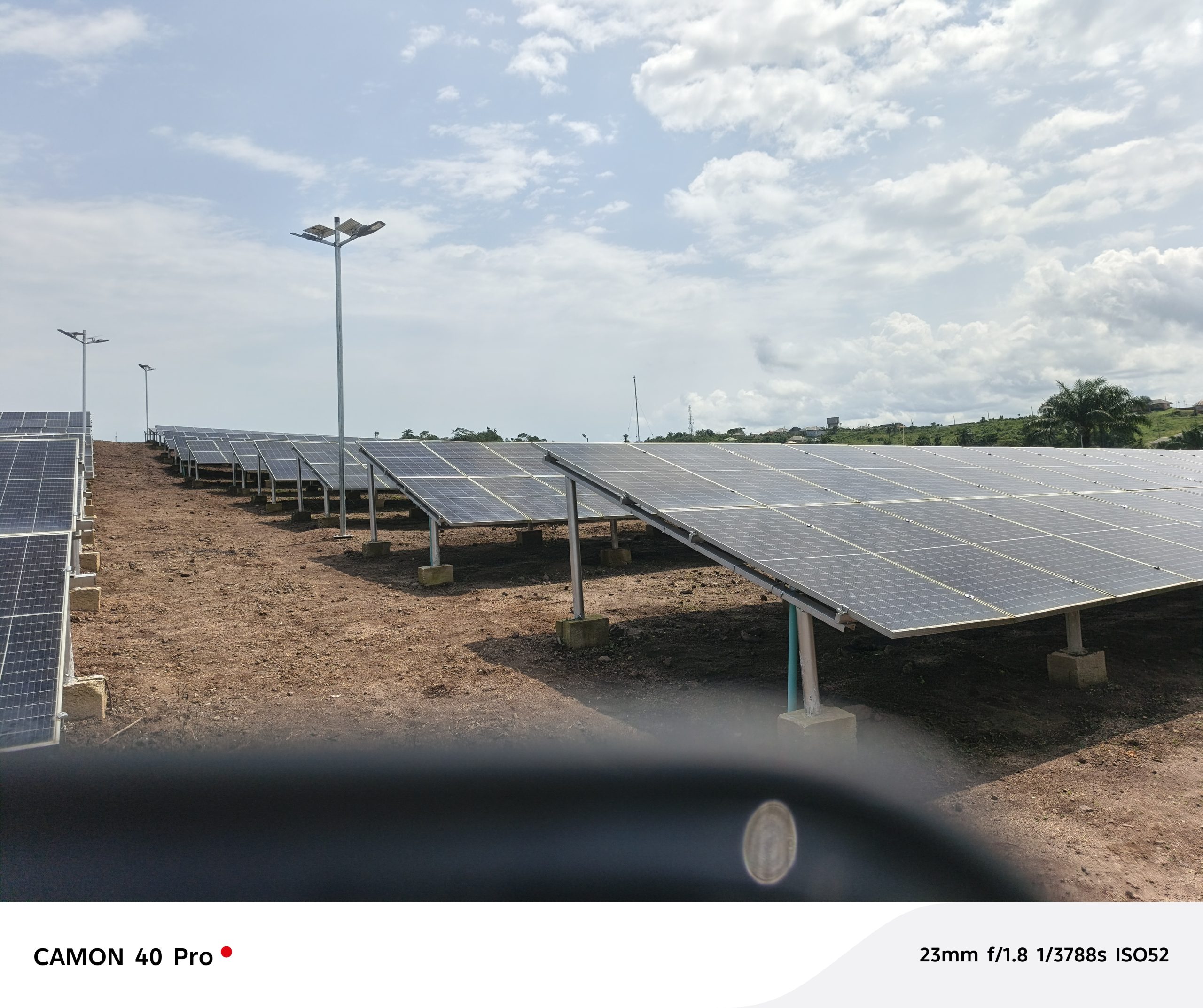
Nigeria’s annual solar power additions could surpass 200 megawatts (MW) in 2026, potentially marking the country’s biggest year for new solar installations, the Africa Solar Industry Association (AFSIA) has projected.
The projection comes amid growing momentum in Nigeria’s solar energy market, with approximately 89MW of new solar capacity already operational in 2026 and another 115MW under construction, according to Benjamin Clark, Director of Operations at AFSIA.
Clark disclosed this while announcing the forthcoming Renewable Energy Forum Africa (REFA) 2026, scheduled for November 25 and 26 at the Radisson Blu Hotel, Victoria Island, Lagos.

The forum, organised annually by AFSIA, is designed to connect investors, project developers, policymakers, utilities, regulators and major power consumers to accelerate investment in renewable energy projects across Africa.

According to Clark, Nigeria’s expanding solar market and the growing pipeline of projects make Lagos an appropriate location for this year’s edition of the investment-focused forum.
He noted that Nigeria currently leads West Africa in operational solar capacity, with approximately 620MW, compared with Senegal’s estimated 425MW.
The figures, he explained, are based on AFSIA’s solar market data and underline Nigeria’s growing importance in the region’s renewable energy landscape.
“ If all of that is completed this year, it would mean that 2026 would pass 200 megawatts, the biggest year in our data for the country,” Clark said, referring to the 89MW already operational and the additional 115MW under construction.
The projected growth reflects a significant increase in annual solar installations over the past several years.
According to Clark, Nigeria added approximately 15MW of solar capacity in 2019. By 2024, annual additions had risen to around 123MW, representing more than an eightfold increase in five years.
ALSO READ:
- Nigeria’s Solar Capacity Set to Hit Record 200MW
- Adedayo Ojo Set to Unveil Book on Nigeria’s Oil and Gas Industry
- Seplat Energy Repays Final $100m Debt for MPNU Acquisition
- NUPRC, SDN Deploy Methane Tracker
- NNPC, Zulum Meet on Resumption of Oil Exploration in Borno
Although annual additions declined to approximately 79MW in 2025, the volume of operational and ongoing projects in 2026 points to the possibility of a new record.
The trend highlights the growing role of solar energy in Nigeria’s efforts to expand electricity access, diversify its energy mix and provide alternative power sources for households, businesses and industries.
The development also presents opportunities for investors, project developers, equipment suppliers, financiers and other participants across the renewable energy value chain.
However, the projected record will depend on the timely completion and commissioning of projects currently under construction.
Africa’s renewable energy capacity expands
Beyond Nigeria, Clark highlighted the wider expansion of renewable electricity generation across Africa, noting that the continent’s renewable power capacity has more than doubled over the past decade.
He said Africa’s renewable power capacity increased from approximately 37 gigawatts (GW) in 2016 to more than 82GW in 2025.
The pace of expansion also accelerated last year, with the continent adding approximately 11GW of renewable power capacity in 2025—about twice the increase recorded in the preceding year.
According to him, the figures demonstrate the growing momentum behind renewable energy development across African markets and the increasing need to connect viable projects with investment capital.
The REFA platform is intended to help bridge that gap by bringing together project developers seeking financing and investors looking for commercially viable renewable energy opportunities.
Explaining the objectives of the forum, Olamide Niyi-Afuye, Chief executive officer, Africa Mini-grid Developers Association (AMDA) said REFA focuses on two major areas: providing delegates with current market intelligence and facilitating targeted business meetings that can translate into investment and project development.
He described business matchmaking as the defining feature of the event, distinguishing it from conventional conferences where participants largely depend on informal networking to establish useful contacts.
According to him, REFA combines a digital matchmaking platform with personalised assistance to help participants schedule meetings with prospective business partners, financiers, project developers and other relevant stakeholders.
The approach is intended to ensure that delegates engage with organisations and individuals whose interests align with their investment priorities and commercial objectives.
“The idea is simple: we help investors and projects to find each other so more clean power gets built across the continent,” Clark said.
He added that the forum brings together participants with the capacity to influence investment decisions, develop projects, shape policies and procure electricity.
Previous editions of REFA have been hosted in cities including Cape Town, Nairobi and Accra, with Lagos selected for the 2026 edition.
Esther Eyenobong , Senior Sales Manager West Africa, Jinko Solar, said the choice of Lagos reflects the importance of Nigeria’s solar market to the wider African renewable energy industry.
With the country recording rising solar installations and a growing pipeline of projects, the forum is expected to provide a platform for discussions on financing, project development, regulation, market opportunities and the commercial prospects of renewable energy.