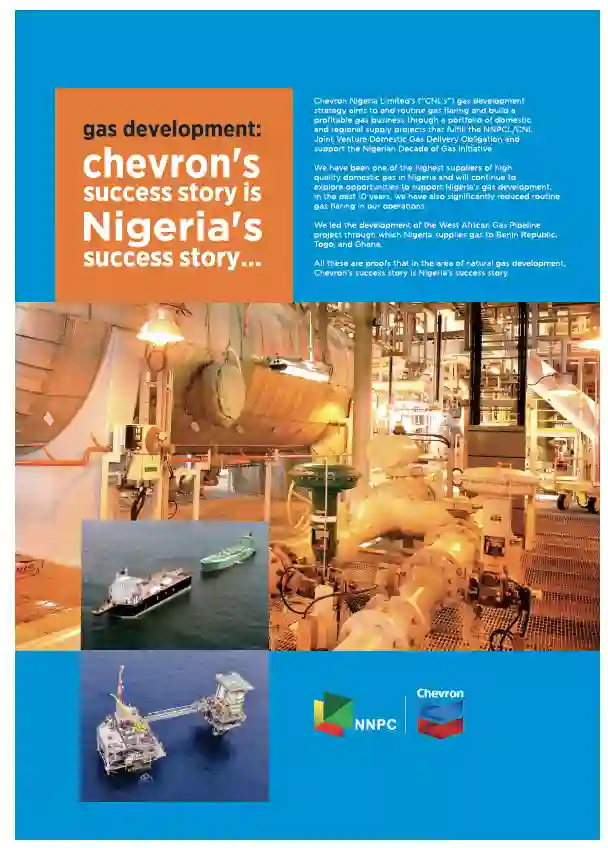
The Nigerian Independent System Operator (NISO) has attributed the current decline in electricity generation on the national grid primarily to constraints in gas supply to thermal power plants and reduced output from hydroelectric power stations.
NISO, in a statement issued to clarify the factors responsible for the current low generation levels, said the twin challenges had significantly reduced the amount of electricity available for transmission and distribution across the country.
According to the system operator, limited gas availability has constrained several thermal generating stations from operating at their available capacities, while declining water inflows into hydroelectric reservoirs have similarly affected the output of hydropower plants.
The development has consequently reduced the quantum of electricity available for allocation to Distribution Companies (DisCos), resulting in fewer hours of electricity supply and increased load shedding across several distribution networks.

NISO explained that the severity of the impact varies from one DisCo to another, depending on the level of generation available to the national grid and the corresponding allocation received by each distribution company.

ALSO READ:
- Gas Shortage, Low Water Levels Trigger Decline in Nigeria’s Power Generation — NISO
- Shell Nigeria Gas Backs Manufacturing Growth, Calls for Reliable, Affordable Energy
- Energy Times Awards 2026: Namadi, Ojulari, Dantsoho, Verheijen, Others Make Honours List
- REA flags off 37 mini-grid projects, set to add 18.8MW
- ADIPEC 2026: We Have Added 600,000 bpd to Oil Output -Ojulari
The system operator acknowledged the growing concerns among electricity consumers and other stakeholders over the worsening supply situation, stressing that it was aware of the impact of the generation shortfall on households, businesses and industries nationwide.
“While we are actively working on the diversification of our energy mix for the national grid to ensure security of supply,” NISO said, it remains committed to maintaining grid stability and optimising the dispatch of available generation.
The organisation also assured Nigerians that it would continue to prioritise the secure, reliable and efficient operation of the national grid within the prevailing operational constraints.
The system operator said it would continue to optimise available generation and manage the national grid within existing constraints while efforts towards improving supply security continue.