Africa’s Energy Wave: From Resource Wealth to Economic Value
Africa’s energy and natural resources sector is entering a period of significant change. Major oil and gas projects are moving closer to production, renewable energy capacity is expanding, and global demand for critical minerals is increasing the continent’s strategic importance.
The opportunity now is to translate that resource base into broader economic value. Reliable power, processing capacity, infrastructure, technical expertise and stronger domestic supply chains will determine how far the next investment cycle contributes to industrial growth across the continent.
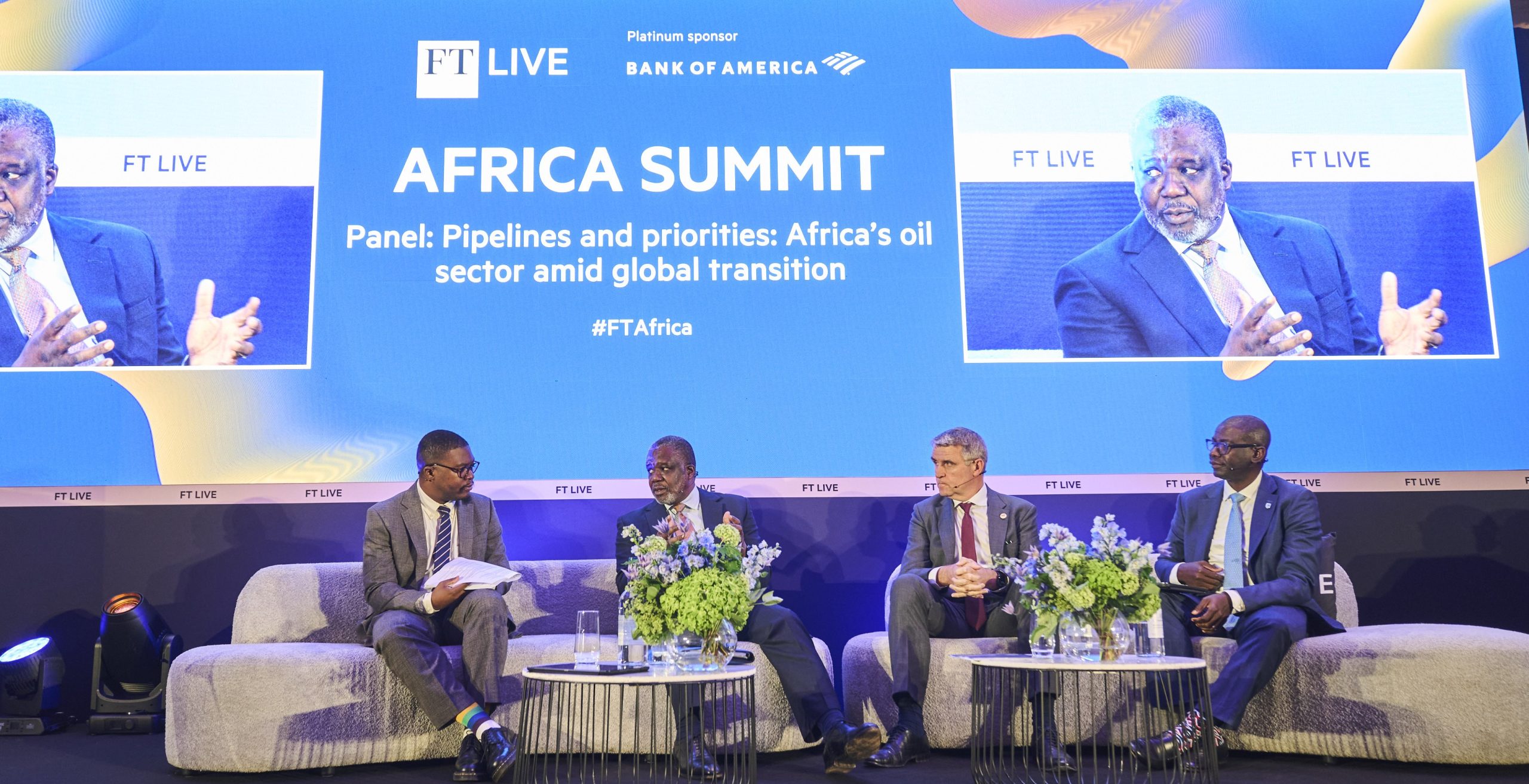
These questions will be central to the FT Africa Summit 2026, where leaders from government, finance and industry will examine how Africa can turn its energy and mineral wealth into a stronger foundation for long term growth.

Moving from discovery to production
Across the continent, several major energy projects are entering a new phase of execution.

In Mozambique, construction on the Mozambique LNG project has resumed following the lifting of force majeure, with first LNG expected in 2029. Namibia’s Orange Basin is also emerging as an important new oil frontier, with major discoveries progressing towards development. Tanzania continues to advance plans to unlock its substantial offshore gas resources.
The economic significance of these projects extends well beyond production volumes. Large scale energy developments require ports, pipelines, processing facilities, roads, power infrastructure and specialised services. Their progress can therefore create opportunities across wider domestic economies while strengthening export revenues and energy security.
The relationship between production and domestic energy demand will be central to this next phase. Around 600 million people across Africa still lack access to electricity, according to the International Energy Agency. Greater investment in transmission, gas to power infrastructure and regional energy connections could help translate new resource development into more reliable energy for households and industry.
Building more value from Africa’s energy transition
Africa’s renewable energy market is also accelerating. The continent installed approximately 4.5GW of new solar PV capacity in 2025, representing its fastest annual growth on record, according to the Global Solar Council.
The next opportunity lies in the economic activity created around that expansion. Local supply chains, technical skills, maintenance capabilities and manufacturing can allow African economies to capture more value from rising investment in solar, storage and other forms of renewable energy.
That same principle applies to critical minerals.
Africa holds approximately 30 per cent of the world’s reserves of critical minerals, including cobalt, lithium, graphite, copper and manganese. Demand for these resources continues to grow as global investment in electric vehicles, batteries, grids and renewable power systems increases.
African governments are placing greater emphasis on processing, refining and value addition closer to where these resources are extracted. Building that capacity requires reliable energy, transport infrastructure, capital, technology and skilled workers, creating a direct connection between the continent’s mineral wealth and its wider industrial ambitions.
Infrastructure as the connector
Infrastructure will determine how effectively these opportunities come together.
Transport corridors, rail networks, ports, pipelines and power systems influence whether resources reach markets efficiently and whether processing and manufacturing can develop around them.
The Lobito Corridor illustrates the scale of this opportunity. Connecting Angola’s Atlantic coast with mineral rich regions of the Democratic Republic of Congo, with plans to extend towards Zambia, the corridor is designed to improve access to global markets while supporting regional trade and investment.
Projects of this nature can create a broader platform for industrial development by connecting mines, energy assets, processing facilities and regional markets.
ALSO READ:
- Africa’s Energy Wave: From Resource Wealth to Economic Value
- Nigeria’s Energy Story Began Here
- KEDCO MD Declares Safety Non-Negotiable, Orders Strict ‘No PPE, No Work’ Policy
- NNPC Delivers ₦7.2 Trillion Profit as Production Reaches Multi-Year Highs
- Court Orders NMDPRA to Continue Issuing Import Licences to Matrix Energy, AA Rano, AYM Shafa
Africa’s next energy and natural resources cycle will therefore be shaped as much by what is built around its resources as by the resources themselves.
At the FT Africa Summit 2026, discussions across energy investment, critical minerals, renewable energy and infrastructure will bring together voices including Zainab Usman, Senior Research Scholar and Managing Director of International Programs at the Centre on Global Energy Policy, Columbia University, J. Peter Pham, Executive Chairman, Ivanhoe Atlantic and Marie-Chantal Kaninda, President, Glencore DRC, alongside other leading figures from the sector. Their conversations will examine how governments, investors and industry leaders can convert this new period of strategic interest into stronger domestic energy systems, deeper supply chains and lasting economic value.
The scale of the opportunity is significant. Its impact will depend on execution.